
THE CONSIDERATION
Issue 001 | October 2026
Property. Wealth. Design. Perspective.
Wealth is being created in unexpected places, global property markets are responding to shifting priorities, and architecture is rediscovering the appeal of old ideas.
This week, three observations from the worlds of international wealth, exceptional property, and design—and a closer look at what deserves consideration beyond the headlines.
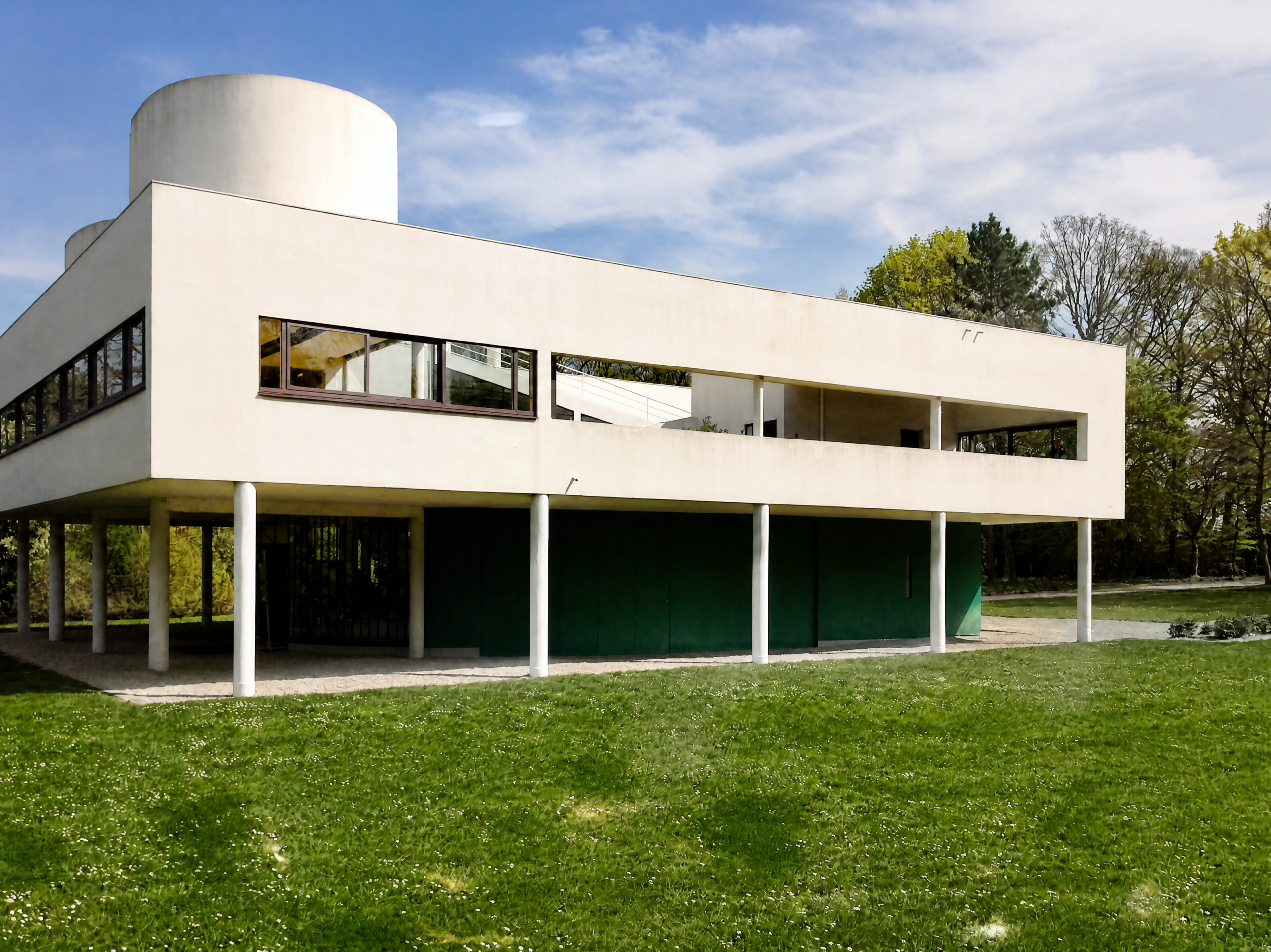
Pictured: Villa Savoye, Poissy, France. Le Corbusier’s 1931 modernist landmark, photographed in 2014. More than a decade later, its architectural influence made an unexpected appearance on a broker tour in Atherton. See the connection on Instagram.
01 / Global Wealth
China’s Wealth Creation Deserves a Second Look
The 2026 Hurun Global Rich List identifies 4,020 billionaires worldwide, with China accounting for 1,110—more than any other country. Of the 726 newcomers to the list, 318 were from China. Artificial intelligence also emerged as a significant wealth creator, producing 46 first-time billionaires globally.
These figures complicate the familiar narrative of wealth flowing primarily toward established Western financial centers. New fortunes are being created across industries and geographies, potentially expanding the international audience for significant residential property.
The Consideration
It’s tempting to follow the headlines about wealth leaving one market for another. But that overlooks a more interesting question: where is the next generation of wealth being created, and what will its owners choose to do with it?
New fortunes don’t automatically translate into international property purchases. They do, however, introduce new decision-makers, new priorities, and potentially new geographies of influence. For Silicon Valley, a market shaped by innovation and international talent, that’s a conversation worth following well beyond the annual billionaire rankings.
Source: Hurun Research Institute, March 5, 2026
Read the Hurun Global Rich List 2026
02 / Global Property Intelligence
The Growing Value of What Cannot Be Easily Recreated
Knight Frank’s 2026 Wealth Report examines how private capital is adapting to geopolitical uncertainty and changing international property markets. Its research explores the evolving geography of wealth, global prime residential performance, and the considerations influencing property investment and ownership.
Beyond price movements, the report raises a broader question: what distinguishes an exceptional property in a world where capital is increasingly mobile, but certain locations and assets remain inherently limited?
The Consideration
Money can buy an extraordinary amount of house. What it cannot always buy is time.
There’s an interesting distinction between a property that’s expensive to build and one that’s difficult to replicate. The latter may involve an exceptional parcel, architectural integrity, mature landscaping, or simply the ability to move in without embarking on a multiyear construction project.
Particularly at the upper end of the market, convenience isn’t necessarily a compromise. Sometimes, it’s part of what makes a property exceptional.
Source: Knight Frank, The Wealth Report 2026, April 2026
Explore Knight Frank’s Wealth Report
03 / Architecture & Culture
When New Architecture Borrows an Old Soul
A July 2026 Architectural Digest feature examines a growing interest in newly constructed homes designed to look as though they’ve been standing for generations.
From reclaimed materials and antique architectural elements to traditional proportions and historically inspired detailing, these properties combine the character of older homes with the engineering and conveniences of contemporary construction.
It’s an interesting counterpoint to the assumption that exceptional residential design must always look toward the future.
The Consideration
Apparently, even new houses are developing an appreciation for history.
I’m all for it, provided we’re talking about more than decorative nostalgia. There’s a meaningful difference between borrowing architectural principles that have endured for centuries and simply dressing a new building in old clothes.
Proportion, materials, craftsmanship, and a sense of place are difficult to manufacture convincingly. Perhaps the most interesting thing about this return to traditional design isn’t that people want their new homes to look old. It’s that they’re looking for something that feels as though it belongs.
Source: Architectural Digest, July 20, 2026
Read: Why New Builds Are Now Designed to Look Like Historic Homes
FROM THE ARCHIVES
In August’s On The Move, I asked whether the “McModern” era might finally be coming to a close. The renewed interest in historically inspired architecture suggests the question was worth asking.
Revisit the August edition of On The Move
The Consideration is a weekly perspective on global wealth, architecture, and exceptional property, with particular attention to the San Francisco Peninsula.
Lisa M. Musich | DRE# 02210590 | lisa.musich@compass.com | +1.415.619.1426